



Think of Bitcoin as the cool new kid on the block in the world of money. Instead of paper bills or coins, Bitcoin is totally digital.
It’s like cash for the internet, letting you store and move value around without needing a bank.
How Does Bitcoin Work?
People using Bitcoin talk to each other using a special set of rules called the Bitcoin protocol.
This usually happens over the internet, but it can work over other networks too. The protocol is like a universal language that computers speak to manage Bitcoin transactions.
And guess what? It’s open-source, so anyone can see how it works and use it on their gadgets, from laptops to smartphones.
You can use Bitcoin just like regular money to buy stuff, send it to friends or family, or even lend it out. You can buy, sell, or trade Bitcoins on special exchanges, just like you would with dollars or euros.
In a nutshell, Bitcoin is the ultimate internet money—it’s fast, secure, and works across borders without a hitch.
No Coins, Just Code
Unlike the cash in your wallet, Bitcoin is purely virtual. There aren’t any physical or even digital coins. Instead, value is transferred through transactions between users.
To make these transactions, you need special keys that prove you own the Bitcoins you’re spending. These keys are often stored on your computer in something called a digital wallet.
Only you have the power to spend your Bitcoins because you control the key. This means you have full control over your money without needing a bank.
The Magic of Mining
Bitcoins are created through a process called mining. Think of mining as a game where computers compete to solve tricky math problems.
Anyone with a computer running the Bitcoin protocol can join in. Every 10 minutes, a miner solves a problem, validates the last 10 minutes of transactions, and gets rewarded with new Bitcoins.
Think of Bitcoin as the cool new kid on the block in the world of money. Instead of paper bills or coins, Bitcoin is totally digital. It’s like cash for the internet, letting you store and move value around without needing a bank.
How Does Bitcoin Work?
People using Bitcoin talk to each other using a special set of rules called the Bitcoin protocol.
This usually happens over the internet, but it can work over other networks too. The protocol is like a universal language that computers speak to manage Bitcoin transactions.
And guess what? It’s open-source, so anyone can see how it works and use it on their gadgets, from laptops to smartphones.
You can use Bitcoin just like regular money to buy stuff, send it to friends or family, or even lend it out.
You can buy, sell, or trade Bitcoins on special exchanges, just like you would with dollars or euros.
In a nutshell, Bitcoin is the ultimate internet money—it’s fast, secure, and works across borders without a hitch.
No Coins, Just Code
Unlike the cash in your wallet, Bitcoin is purely virtual. There aren’t any physical or even digital coins. Instead, value is transferred through transactions between users.
To make these transactions, you need special keys that prove you own the Bitcoins you’re spending. These keys are often stored on your computer in something called a digital wallet.
Only you have the power to spend your Bitcoins because you control the key. This means you have full control over your money without needing a bank.
The Magic of Mining
Bitcoins are created through a process called mining. Think of mining as a game where computers compete to solve tricky math problems.
Anyone with a computer running the Bitcoin protocol can join in. Every 10 minutes, a miner solves a problem, validates the last 10 minutes of transactions, and gets rewarded with new Bitcoins.
Mining decentralizes the process of creating money, taking the job away from central banks and spreading it across the globe.
This system has built-in rules to ensure it runs smoothly, like adjusting the difficulty of mining to keep it fair and halving the reward every four years until there are 21 million Bitcoins.
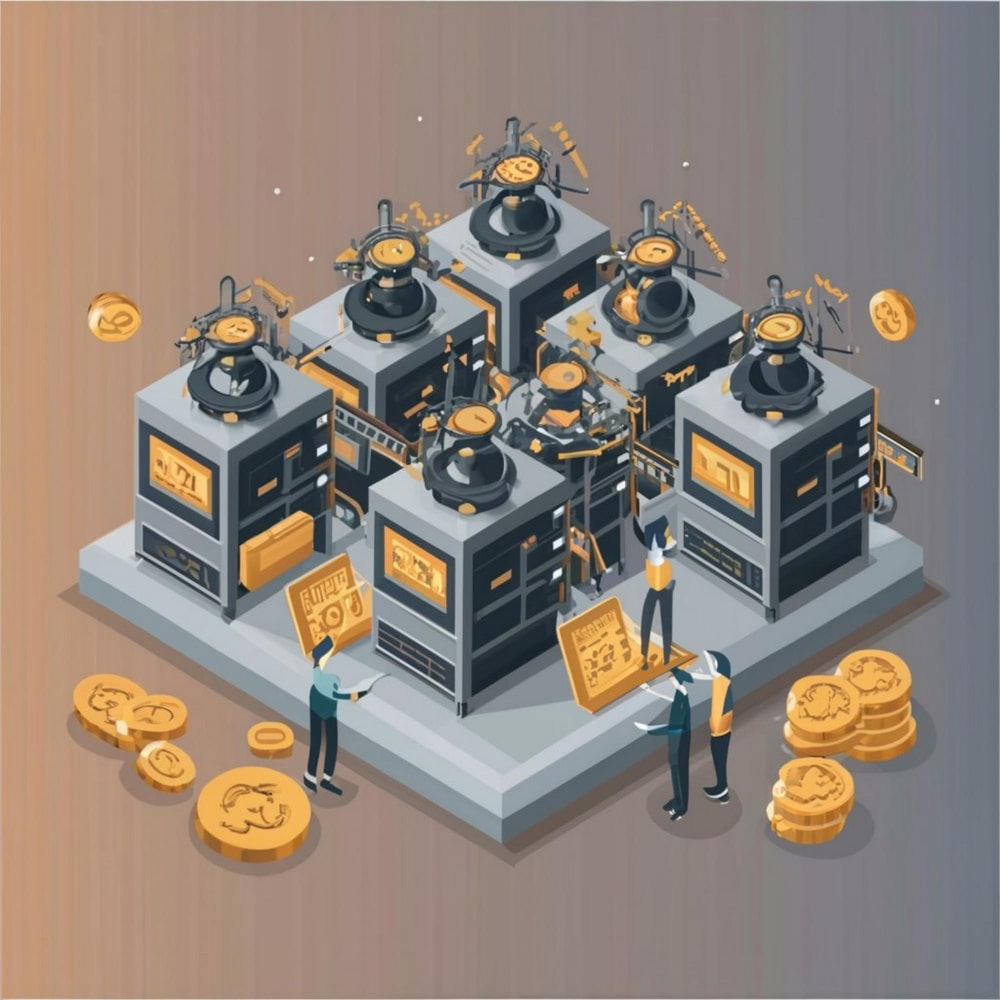
By 2140, all 21 million Bitcoins will be in circulation, following a predictable path that makes Bitcoin a deflationary currency. No one can just print more Bitcoins out of thin air.
Behind the Scenes
Behind all this, the Bitcoin protocol and network handle everything, from processing transactions to ensuring security.
Bitcoin is like the internet of money, making it easy to transfer value and prove ownership of digital assets through a distributed system.
Before Bitcoin: A Brief History
Before Bitcoin, digital money had a rocky start. Early attempts in the 80s and 90s used cryptography to create digital currencies tied to national currencies or precious metals like gold.
These early digital monies worked but were centralized, making them easy targets for government shutdowns or hacks.
For digital money to really take off, it needed to be decentralized, without a single point of failure.
Enter Bitcoin, a system built from decades of research in cryptography and distributed systems.
It combines four key innovations:
- A decentralized peer-to-peer network (the Bitcoin protocol).
- A public ledger of transactions (the blockchain).
- Decentralized currency creation (mining).
- Decentralized transaction control (transaction scripts).
These innovations make Bitcoin a robust and revolutionary form of digital money, free from the control of any single entity.
